Tungsten Carbide Valve Pin 375mm Length Spherical Tip R1.5mm for Hot Runner Injection Molding Systems
High-precision tungsten carbide valve pin at 375mm length with R1.5mm spherical radius tip for hot runner injection molding systems. HRA 90-92 hardness, sub-micron grain, mirror-polished finish. Ideal for glass-filled plastics, long thin-walled parts, and multi-cavity molds. Custom specifications available.
Product Overview
In hot runner injection molding, the valve pin is the critical component that controls melt flow, seals the gate, and determines the final quality of the molded part. When molding engineering plastics—especially those with glass fiber reinforcement—standard steel valve pins wear prematurely, leading to gate leakage, inconsistent part quality, and costly production downtime.
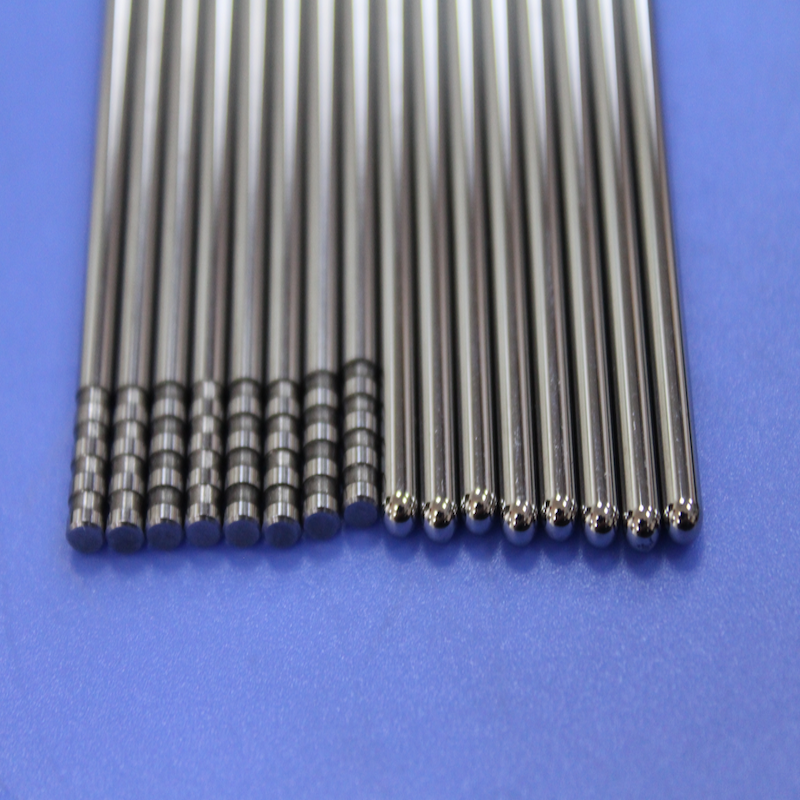
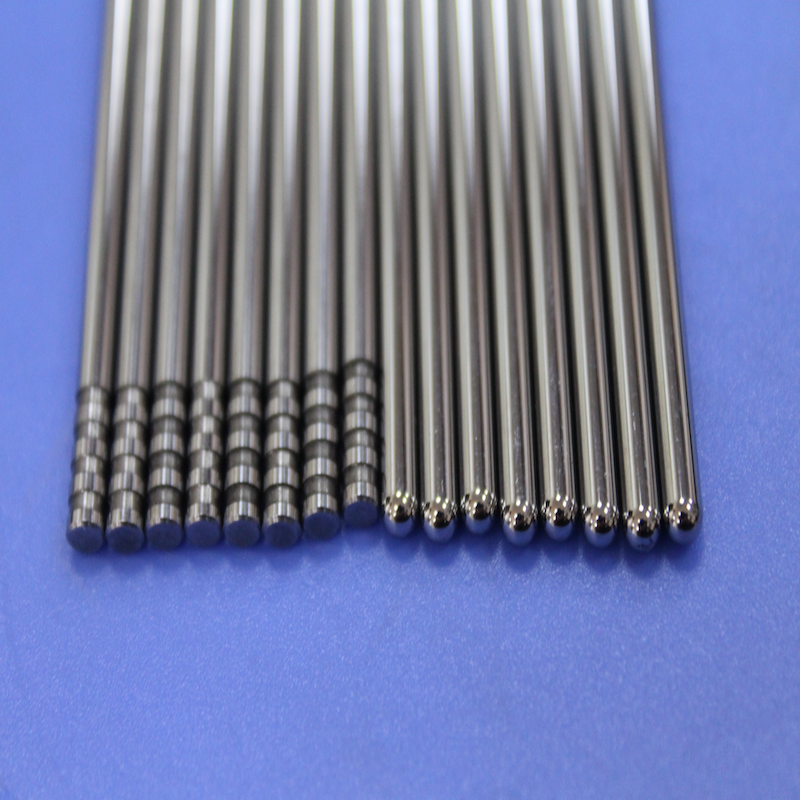
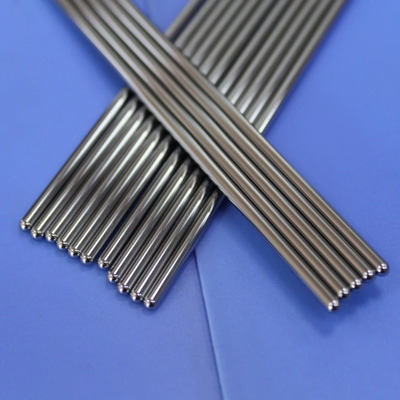
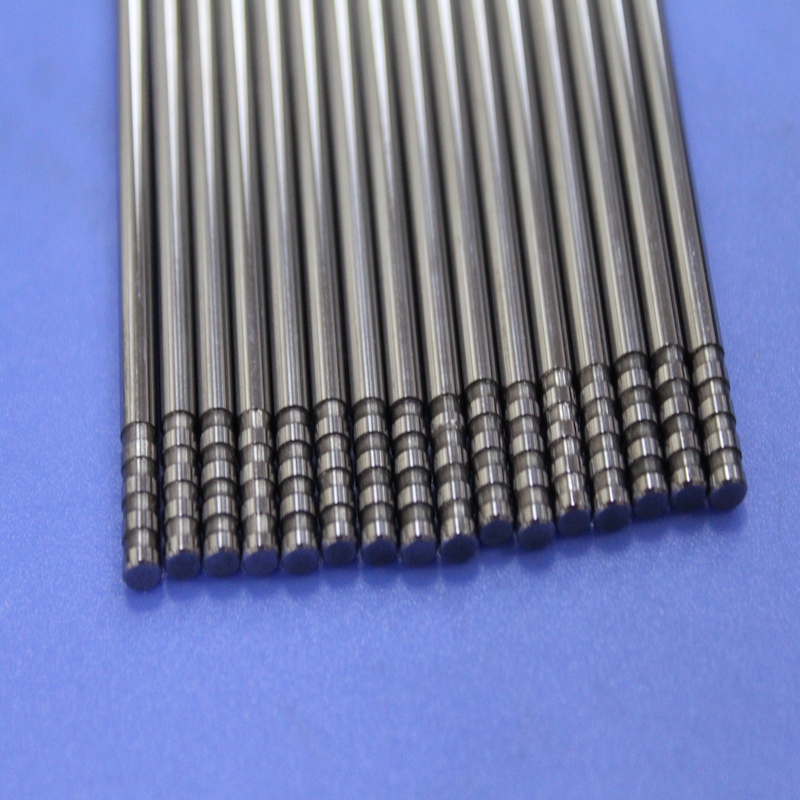
Our Tungsten Carbide Valve Pin is engineered specifically to meet these demanding requirements. With an overall length of 375mm and a spherical tip radius of R1.5mm, this precision-ground component delivers the exceptional hardness, wear resistance, and dimensional stability required for long-run, high-precision injection molding applications.
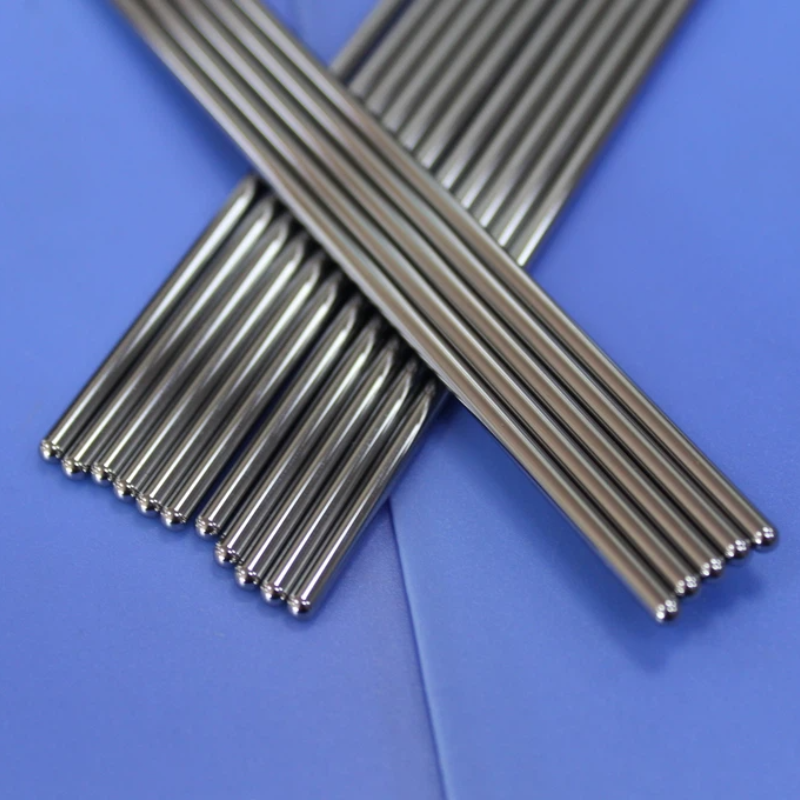
The 375mm length makes this valve pin particularly suitable for large molds, deep-cavity applications, and multi-point hot runner systems where extended reach is essential. The R1.5mm spherical tip geometry ensures clean gate sealing, minimal gate vestige, and consistent part quality across millions of molding cycles.
Key Specifications
| Parameter |
Specification |
| Overall Length |
375.00 mm |
| Tip Geometry |
Spherical radius R1.5mm |
| Material |
Tungsten Carbide (WC-Co) |
| Hardness |
HRA 90-92 |
| Grain Size |
0.8-2.0 μm (sub-micron) |
| Cobalt Content |
6-10% |
| Density |
14.45 g/cm³ |
| Transverse Rupture Strength |
3,200-3,800 MPa |
| Young's Modulus |
570 GPa |
| Compressive Strength |
4,700 MPa |
| Surface Finish |
Mirror-polished (Ra ≤ 0.05μm) |
| Tolerance |
Diameter: ±0.002mm; Length: ±0.05mm |
The R1.5mm Spherical Tip: Design & Function
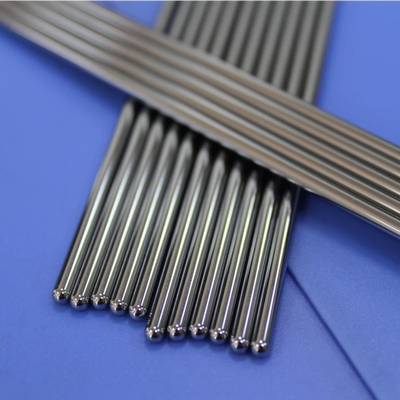
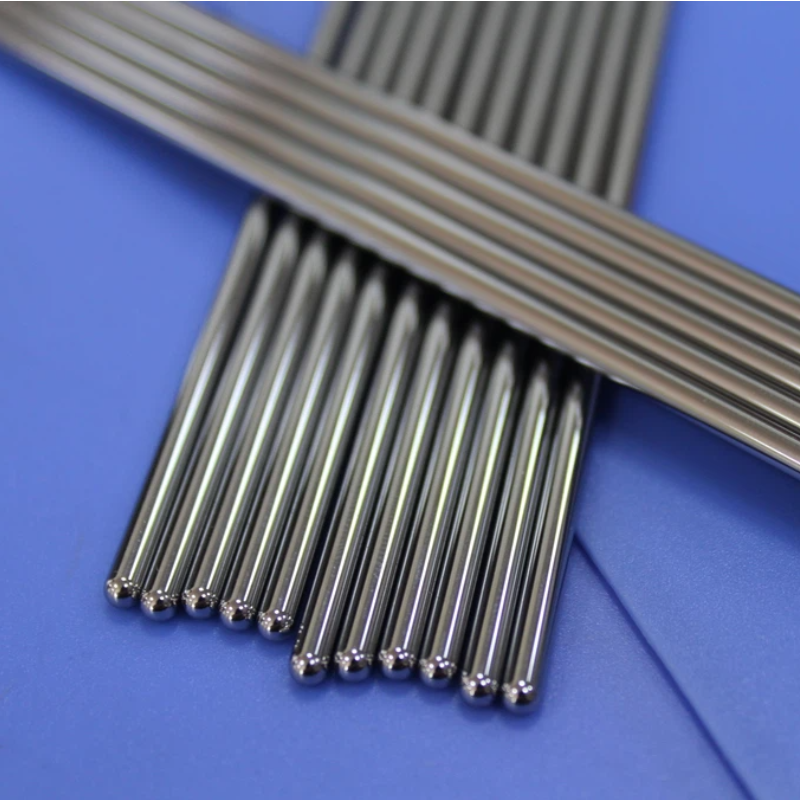
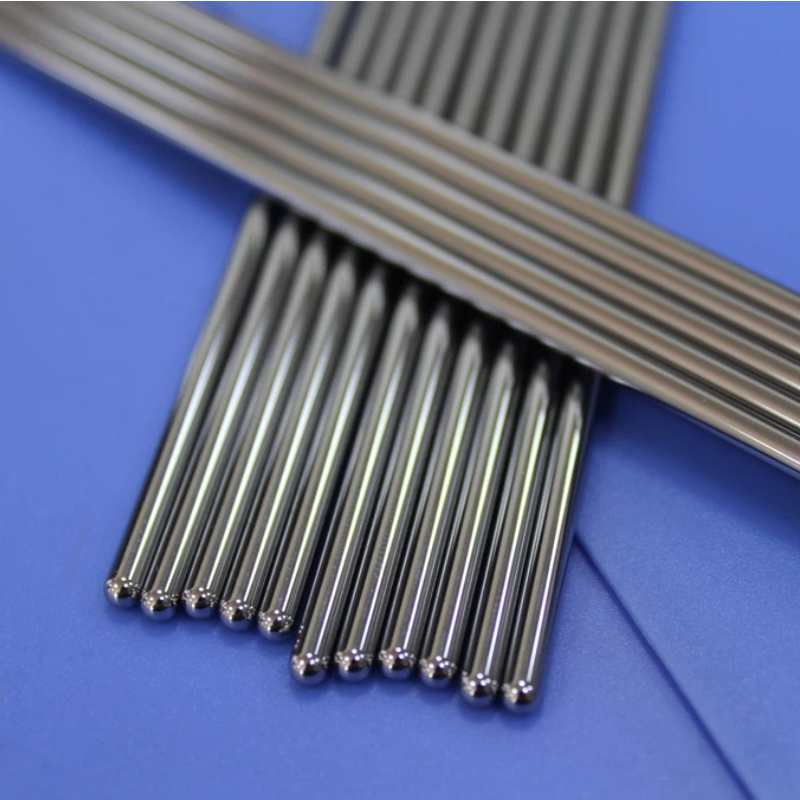
The spherical tip with R1.5mm radius is a critical design feature that directly impacts molding quality:
Key Functions:
- Precise Gate Sealing: The spherical geometry ensures consistent, leak-free sealing against the valve seat, preventing drool and stringing.
- Minimal Gate Vestige: The smooth spherical profile produces clean gate break-off, leaving minimal witness marks on the molded part.
- Reduced Stress Concentration: The radiused tip distributes contact forces evenly, reducing the risk of tip damage or seat wear.
- Smooth Material Flow: The spherical profile promotes consistent melt flow during injection, improving part quality and reducing cycle time.
Applications Requiring Spherical Tip Valve Pins:
| Industry |
Application |
Why Spherical Tip |
| Automotive |
Interior trim, under-hood components, lighting |
Clean gate appearance; minimal vestige |
| Medical |
Precision devices, diagnostic components |
Consistent sealing; no contamination risk |
| Consumer Electronics |
Phone housings, laptop components |
High cosmetic requirements; no visible gate marks |
| Packaging |
Thin-walled containers, closures |
Extended tool life in high-cavity molds |
Frequently Asked Questions (FAQ)
Q1: What is a valve pin used for in injection molding?
A valve pin is a critical component in hot runner systems that controls the flow of molten plastic into the mold cavity. It opens and closes the gate at precise intervals, sealing the nozzle between injection cycles to prevent drool and ensuring clean, consistent part quality.
Q2: Why choose tungsten carbide over steel for valve pins?
Tungsten carbide offers significantly higher hardness (HRA 90-92 vs. HRC 58-62 for tool steel), 10-30× greater wear resistance, and superior thermal stability. This translates to extended tool life, reduced downtime, and consistent part quality over millions of molding cycles.
Q3: What is the advantage of a spherical tip design?
A spherical tip provides precise gate sealing, minimizes gate vestige on the molded part, reduces stress concentration, and promotes smooth material flow during injection.



 Your message must be between 20-3,000 characters!