WCu Resistance Welding & EDM Electrodes for High-Performance Applications
Tungsten Copper Electrode Tips | High-Performance WCu Electrodes for Resistance Welding & EDM
Product Overview: The Ultimate Electrode Material for Demanding Applications
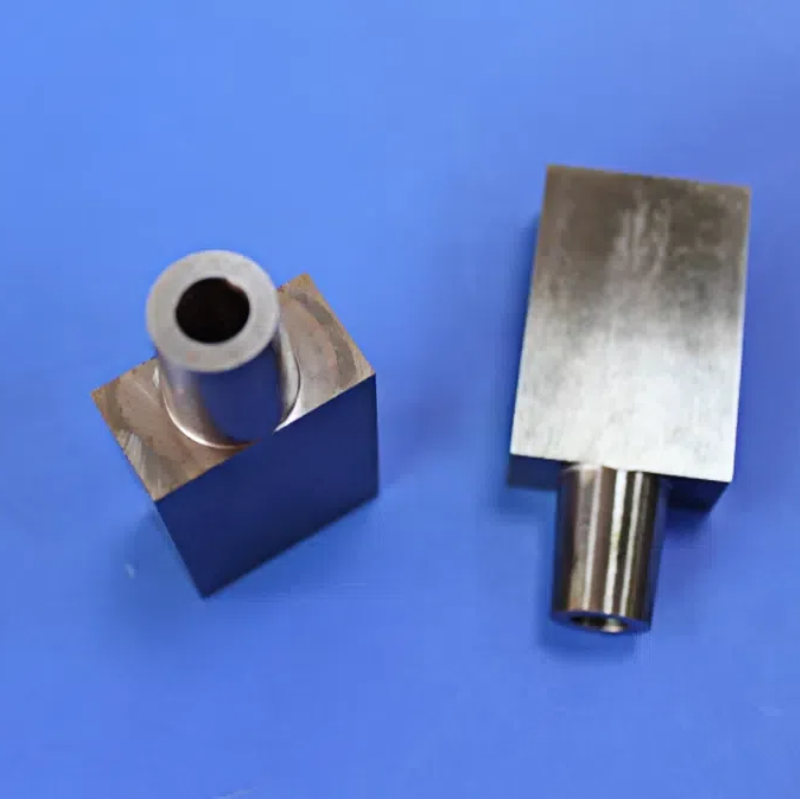
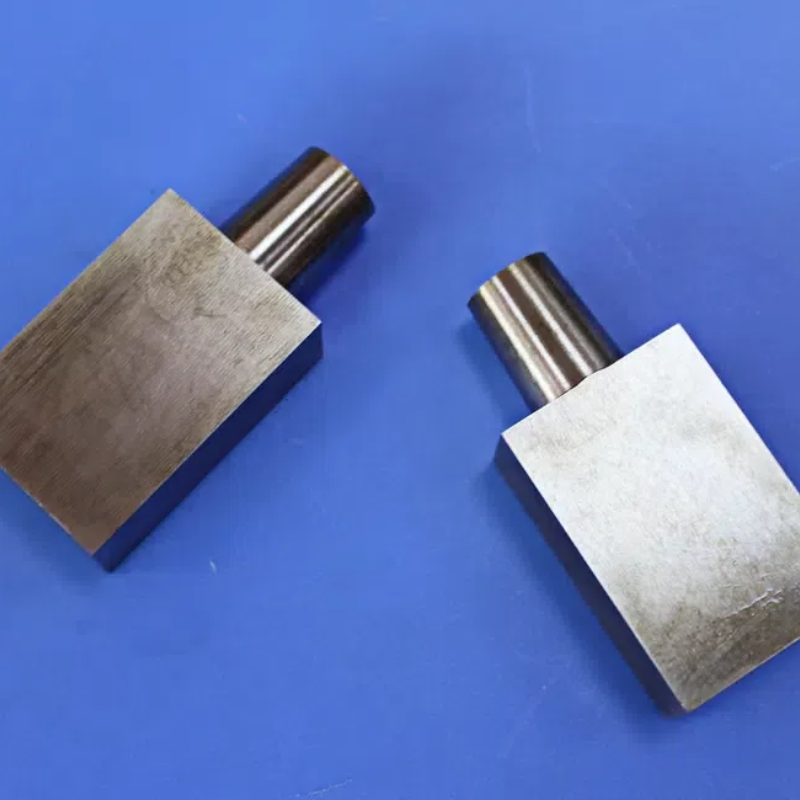
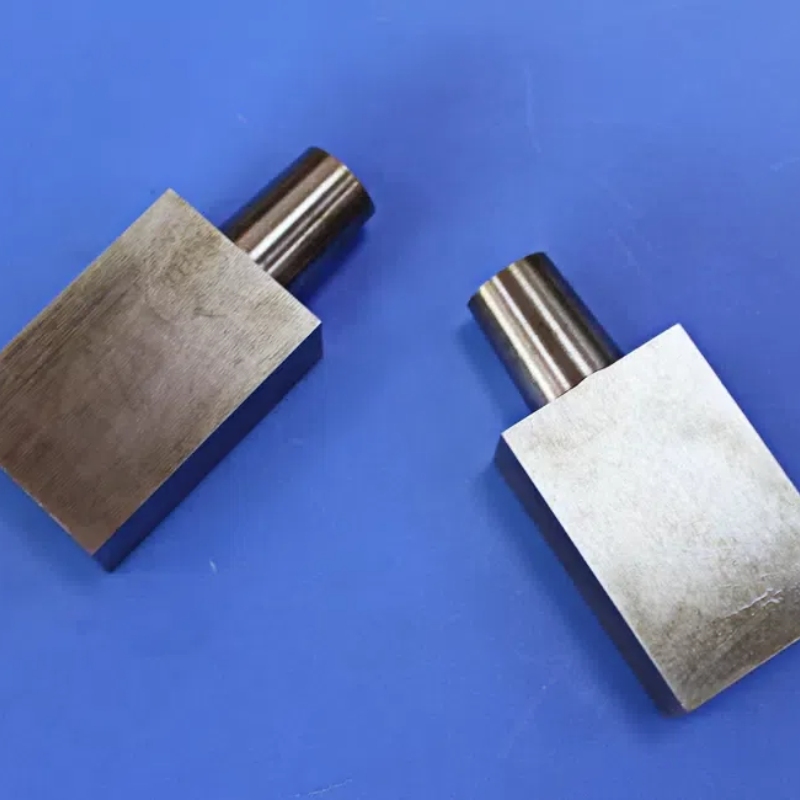
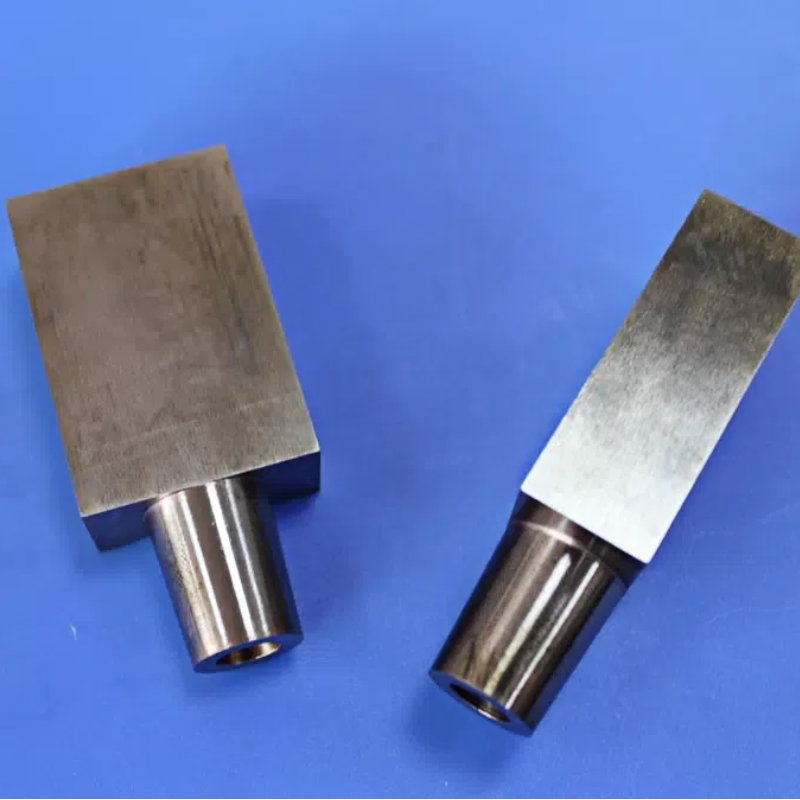
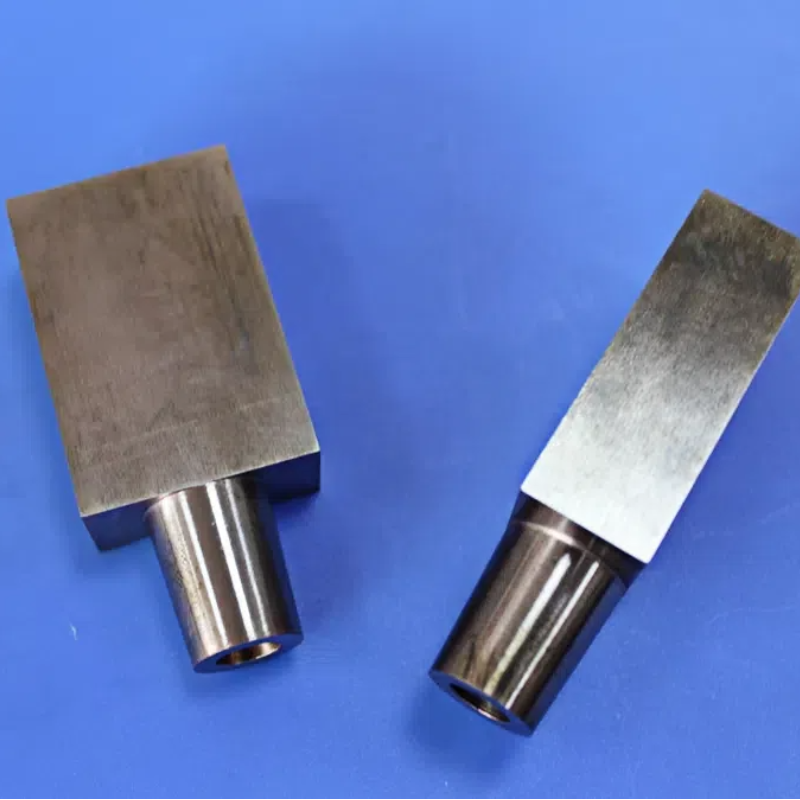
Tungsten copper (WCu) electrode tips represent the convergence of two metals with complementary properties—tungsten's extreme heat resistance and copper's exceptional electrical and thermal conductivity. This unique combination makes WCu electrodes the preferred choice for resistance welding, electrical discharge machining (EDM), and high-temperature electrical contact applications where conventional electrode materials fail prematurely.
Our tungsten copper electrode tips are manufactured using advanced powder metallurgy and infiltration technologies, producing dense, homogeneous structures with consistent performance across every application. Whether you are welding automotive body panels, machining hardened steel molds, or assembling electronic components, our WCu electrode tips deliver the durability, precision, and reliability your production line demands.
Material Science: The Tungsten-Copper Advantage
Tungsten copper is a composite material consisting of a tungsten matrix with copper infiltrated into its porous structure. This unique architecture combines the best attributes of both metals:
| Property |
Tungsten Contribution |
Copper Contribution |
| Melting Point |
3,422°C (highest of all metals) |
1,084°C |
| Hardness |
High hardness, wear resistance |
-- |
| Electrical Conductivity |
-- |
Excellent (up to 42% IACS) |
| Thermal Conductivity |
-- |
Excellent heat dissipation |
| Thermal Expansion |
Low expansion coefficient |
-- |
| Arc Resistance |
Excellent arc erosion resistance |
-- |
| Anti-Sticking |
Excellent anti-adhesion properties |
-- |
Typical Compositions & Selection Guide
Tungsten copper alloys are available in a range of compositions, each optimized for specific applications:
| Grade |
Tungsten (wt%) |
Copper (wt%) |
Density (g/cm³) |
Conductivity (%IACS) |
Best Applications |
| WCu70 |
70 |
30 |
~14.0 |
≥42 |
General-purpose resistance welding, spot welding, medium-load applications |
| WCu75 |
75 |
25 |
~14.5 |
~38 |
Thermal mounting plates, EDM electrodes, high-power electronics |
| WCu80 |
80 |
20 |
~15.0 |
~34 |
High-temperature resistance welding, projection welding, demanding EDM |
| WCu85 |
85 |
15 |
~15.5 |
~30 |
Precision EDM, high-voltage discharge tubes, extreme high-temperature applications |
| WCu90 |
90 |
10 |
~16.0 |
~27 |
Maximum heat resistance, aerospace welding, ultra-demanding conditions |
Selection Guidance
- WCu70-75: Balanced conductivity and wear resistance—ideal for general resistance welding of steel, stainless steel, and coated steels.
- WCu80-85: Enhanced high-temperature performance—suited for projection welding, high-current applications, and precision EDM where low electrode wear is critical.
- WCu85-90: Maximum heat and arc resistance—recommended for aerospace welding, high-voltage discharge applications, and machining of ultra-hard materials.
Precision Manufacturing
Our tungsten copper electrode tips are produced through a rigorous manufacturing process that ensures consistent quality and performance:
- Step 1: Powder Preparation — High-purity tungsten powder (≥99.95%) and copper powder are precisely weighed and blended according to the specified composition.
- Step 2: Compaction — The blended powder is formed into near-net shapes using cold isostatic pressing (CIP) or mechanical pressing.
- Step 3: Pre-Sintering — The compacted "green" parts are pre-sintered to create a porous tungsten skeleton with controlled pore size and distribution.
- Step 4: Copper Infiltration — The porous tungsten skeleton is infiltrated with molten copper under controlled temperature and atmosphere, filling the pores to achieve full density.
- Step 5: Hot Isostatic Pressing (HIP, Optional) — For critical applications requiring maximum density and performance, HIP treatment further eliminates any residual porosity.
- Step 6: Precision Machining — The infiltrated blanks are machined to final dimensions using CNC turning, milling, and grinding to achieve tight tolerances and specified surface finishes.
- Step 7: Quality Inspection — 100% dimensional inspection, density verification, and conductivity testing ensure every electrode tip meets specifications.
Frequently Asked Questions (FAQ)
Q1: What is the difference between WCu70 and WCu85 electrode tips?
WCu70 (70% tungsten, 30% copper) offers higher electrical conductivity and is better suited for general resistance welding applications where heat dissipation is important. WCu85 (85% tungsten, 15% copper) offers higher temperature resistance and wear resistance, making it ideal for high-current welding, EDM, and applications with extreme thermal loads.
Q2: How long do tungsten copper electrode tips last compared to pure copper?
Tungsten copper electrode tips typically last 3-10 times longer than pure copper tips, depending on the application and welding parameters. The exact lifespan depends on current, pressure, cooling, and workpiece material.
Q3: Can tungsten copper electrodes be used for aluminum welding?
Yes. Tungsten copper electrodes are commonly used for welding aluminum and other high-conductivity non-ferrous metals. The high conductivity ensures efficient current transfer, while the tungsten provides the wear resistance needed for the challenging aluminum welding environment.
Q4: Are these electrodes suitable for automated welding lines?
Absolutely. Tungsten copper electrode tips are widely used in automated resistance welding applications, including automotive assembly lines and electronics manufacturing. Their long service life and consistent performance make them ideal for high-volume production.
Q5: Do you offer custom tip geometries?
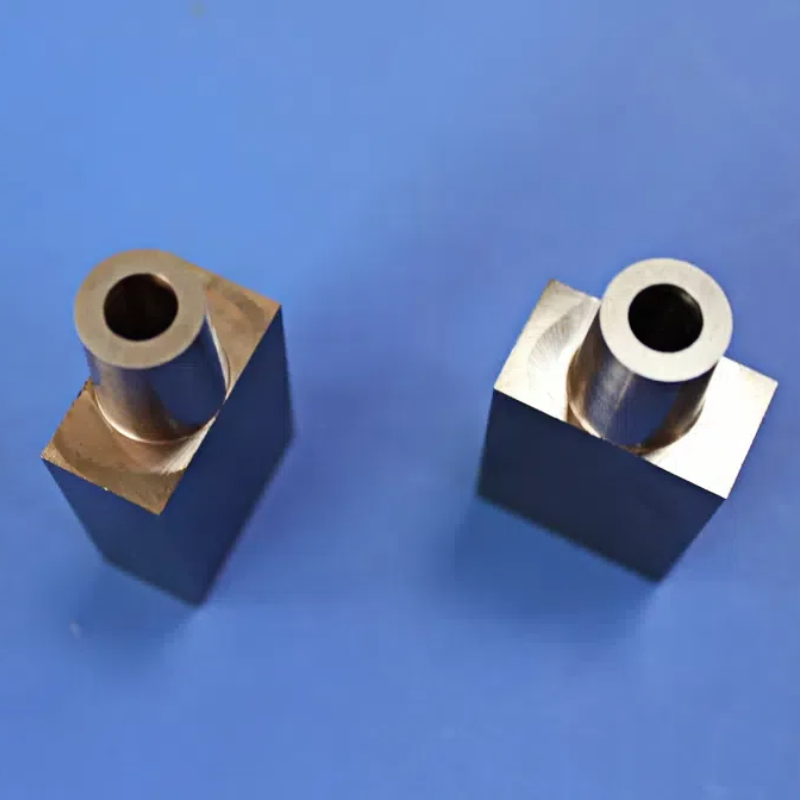
Yes. We can manufacture electrode tips to your exact specifications, including custom tip shapes, diameters, lengths, and shank configurations. Please provide your drawing or requirements for a prompt quote.



 Your message must be between 20-3,000 characters!