Tungsten Alloy Radiation Shielding Blocks High-Density WNiFe & WNiCu Custom-Shaped Shields for Medical & Nuclear Applications
Product Overview: The Superior Choice for Radiation Protection
Tungsten alloy shielding blocks represent the gold standard in modern radiation protection engineering. When ionizing radiation must be contained, directed, or eliminated—whether in a cancer treatment facility, nuclear power plant, or industrial inspection lab—the choice of shielding material is a critical safety decision. Traditional lead has served this role for decades, but its toxicity, mechanical softness, and environmental burden have created an urgent need for better alternatives.
Our Tungsten Alloy Radiation Shielding Blocks are engineered to meet this demand. Manufactured from high-density tungsten-based heavy alloys (tungsten content: 90%-97%), these precision-engineered blocks deliver the optimal combination of exceptional radiation attenuation, structural integrity, non-toxic safety, and design flexibility for the most demanding shielding applications across medicine, nuclear energy, industrial testing, and scientific research.
Core Technology: The Science of Superior Shielding
Unmatched Density for Maximum Attenuation
The shielding effectiveness of any material is fundamentally determined by its density. Tungsten heavy alloys achieve densities ranging from 16.5 to 18.75 g/cm³, far exceeding lead's 11.34 g/cm³ by approximately 60%. This extraordinary density means that gamma rays and X-rays interact more frequently with tungsten atoms as they pass through, losing energy through photoelectric absorption and Compton scattering mechanisms.
At the same thickness, tungsten alloy shielding provides significantly stronger attenuation than lead, enabling thinner, lighter, and more compact shielding solutions—a critical advantage when space is constrained or component weight matters.
Compositions Tailored to Your Application
Tungsten heavy alloys are produced by combining tungsten powder (90%-97%) with binding matrix elements such as nickel (Ni), iron (Fe), or copper (Cu) through powder metallurgy and liquid-phase sintering. Two primary alloy systems are available:
| Property |
WNiFe (Tungsten-Nickel-Iron) |
WNiCu (Tungsten-Nickel-Copper) |
| Density Range |
16.85-18.85 g/cm³ |
16.85-18.35 g/cm³ |
| Tensile Strength |
689-1,400+ MPa |
648-1,400 MPa |
| Elongation |
3-20% |
1-25% |
| Hardness (HRC) |
24-35 |
25-35 |
| Magnetic Property |
Ferromagnetic (magnetic) |
Non-magnetic (μ < 1.002) |
| Corrosion Resistance |
Good |
Excellent (especially in marine/humid environments) |
| Best Suited For |
Load-bearing structural shielding, nuclear containment, counterweights |
MRI environments, high-precision medical collimators, cleanroom applications |
Key Applications & Industries
Medical Imaging and Radiotherapy
Tungsten alloy shielding blocks are critical components in modern medical radiation equipment:
| Application |
Specific Use |
Why Tungsten Alloy |
| CT Scanners |
X-ray tube shielding layers, detector ring shielding, anti-scatter rings |
High density enables compact design; WNiCu non-magnetic options prevent MRI interference |
| Linear Accelerators |
Ray collimators, multi-leaf collimators, shielding covers |
Precisely shapes therapeutic beams; blocks excess scattered radiation |
| Gamma Knife |
Focusing rings, collimator components, beam-shaping blocks |
Concentrates radiation on tumor site; protects surrounding healthy tissue |
| PET / SPECT |
Shielding containers for radioactive isotopes, syringe shields, vial shields |
Protects medical personnel; high attenuation efficiency in compact form |
| Brachytherapy |
Radioactive seed containers, source holders, implant shields |
Reliable containment of small sources; precision-machined to fit devices |
Our tungsten alloy shielding blocks are used daily in radiotherapy centers worldwide to protect patients and healthcare professionals while delivering precise cancer treatment.
Nuclear Industry
| Application |
Specific Use |
Performance Demands |
| Nuclear Power Plants |
Reactor vessel shielding, spent fuel pool liners, equipment casings |
Blocks neutrons and gamma rays; withstands high temperature and radiation doses |
| Nuclear Fuel Transport |
Multi-layer shielding containers, fuel rod storage casks |
Prevents radiation leakage during transport; impact-resistant structure |
| Radioactive Waste Management |
Storage tank shielding layers, waste container liners |
Long-term containment of harmful rays; corrosion-resistant construction |
| Nuclear Medicine Facilities |
Hot cell windows, isotope storage vaults, shielded workbenches |
Protects operators; meets regulatory exposure limits |
In the nuclear industry, our WNiFe shielding blocks provide robust protection around reactors, nuclear fuel transport containers, and radioactive waste storage systems.
Industrial Non-Destructive Testing (NDT)
| Application |
Specific Use |
Advantage |
| Industrial CT |
Source collimators, detector shields, beam-limiting blocks |
Blocks scattered radiation; improves image signal-to-noise ratio |
| Gamma Radiography |
Gamma ray source holders, collimators, pipeline weld inspection shields |
Lightweight, portable; reduces operator exposure time |
| Oil Well Logging |
Radioactive source storage, neutron/gamma collimators, detector shields |
Compact annular design fits in downhole space; high-temperature performance |
Tungsten alloy shielding in industrial NDT equipment ensures that detectors receive only perpendicular incident radiation, significantly improving detection accuracy while protecting field personnel.
Scientific Research and Particle Physics
| Application |
Specific Use |
Requirement |
| Particle Accelerators |
Beamline shielding, cyclotron perimeter protection, experimental hall walls |
Blocks stray radiation from high-energy particle experiments |
| Radioactive Laboratories |
Workbench shielding plates, radioactive sample storage boxes, isotope handling stations |
Prevents ray spread during experiments; protects researchers |
| High-Energy Physics |
Detector shielding, beam dumps, collimator assemblies |
Precision-engineered to experiment specifications |
In research settings, shielding components built around reactors and particle accelerators effectively block high-energy radiation such as neutrons and gamma rays, protecting internal precision instruments from radiation interference and damage.
Defense, Aerospace, and Security Applications
- Guidance System Housings: Protects sensitive electronics in special occupations systems
- Aircraft Shielding Panels: Compact, lightweight protection for avionics
- Source Holders for Security Checkpoints: Secure storage of calibration sources
- Nuclear Submarine Shielding: Critical protection systems in naval applications
In defense and aerospace applications, high-density tungsten alloy shielding components combine structural integrity with exceptional radiation attenuation, often replacing depleted uranium (DU) for environmental reasons.
Manufacturing Excellence: From Powder to Finished Component
Our tungsten alloy shielding blocks are produced through a controlled powder metallurgy process that ensures consistent material properties and dimensional accuracy:
- Blending — High-purity tungsten powder (≥99.95%) is precisely blended with nickel, iron, or copper powders in the correct proportions
- Compaction — The blended powder is pressed into near-net shape under high pressure
- Sintering — Components undergo liquid-phase sintering at controlled temperatures, achieving full densification
- Post-processing — Precision machining, heat treatment, and surface finishing per customer specifications
- Quality inspection — 100% density verification; optional CMM dimensional inspection for critical components
This process can be fully customized: adjusting tungsten content (90% to 97%), selecting magnetic (WNiFe) or non-magnetic (WNiCu) systems, and fabricating near-net shapes that minimize material waste and machining costs.

Frequently Asked Questions (FAQ)
Q1: What is the difference between WNiFe and WNiCu tungsten alloys?
WNiFe (tungsten-nickel-iron) is ferromagnetic and offers exceptional mechanical strength (tensile strength up to 1,200-1,400 MPa), making it ideal for load-bearing structural shielding. WNiCu (tungsten-nickel-copper) is non-magnetic (μ < 1.002), has superior corrosion resistance, and is the preferred choice for MRI equipment, CT scanner collimators, and other field-sensitive applications where magnetic interference cannot be tolerated.
Q2: Can tungsten alloy be machined into complex shapes?
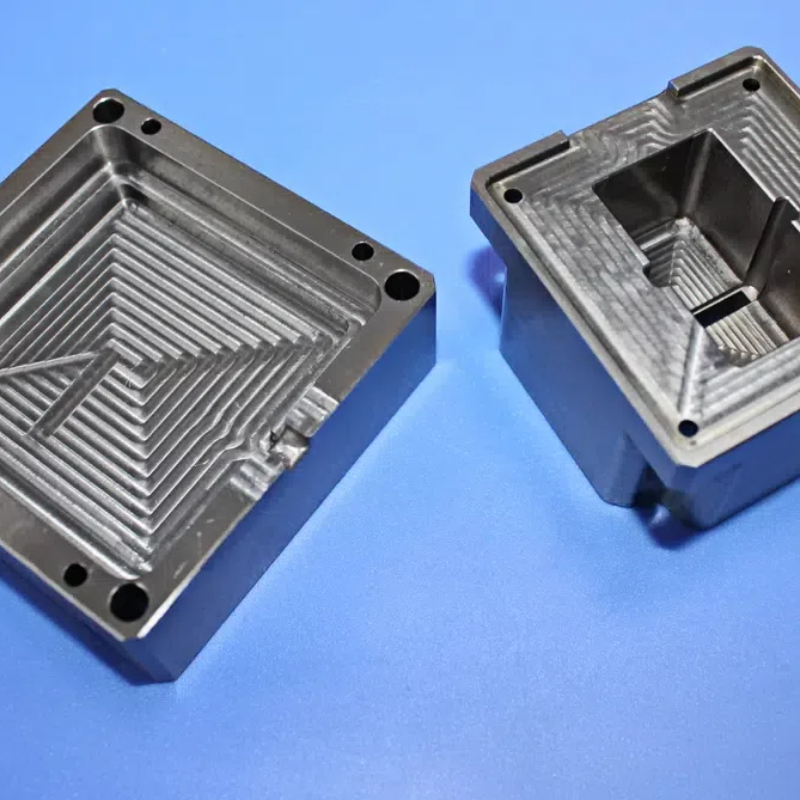
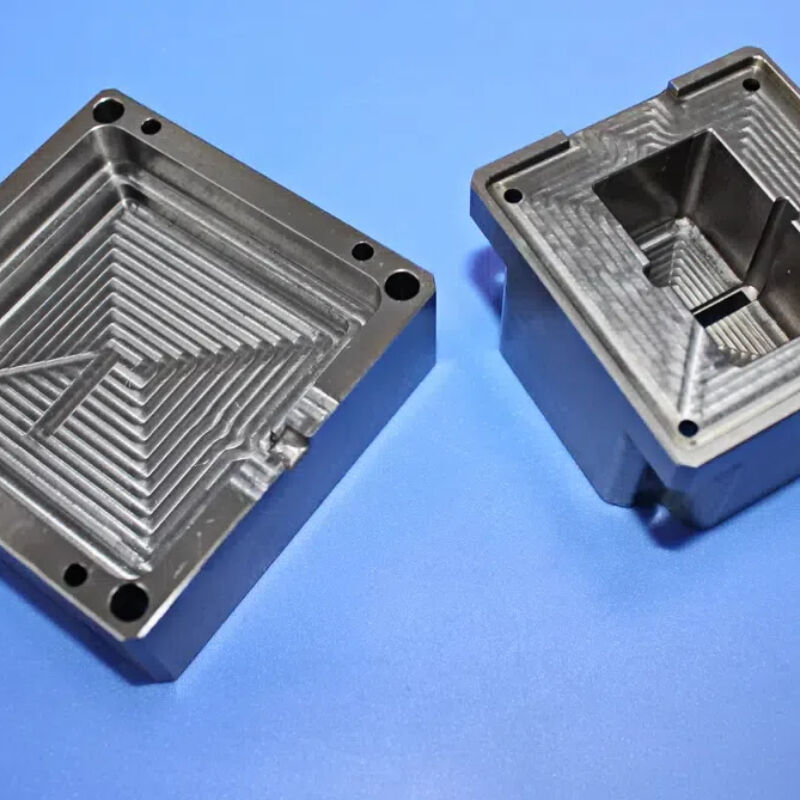
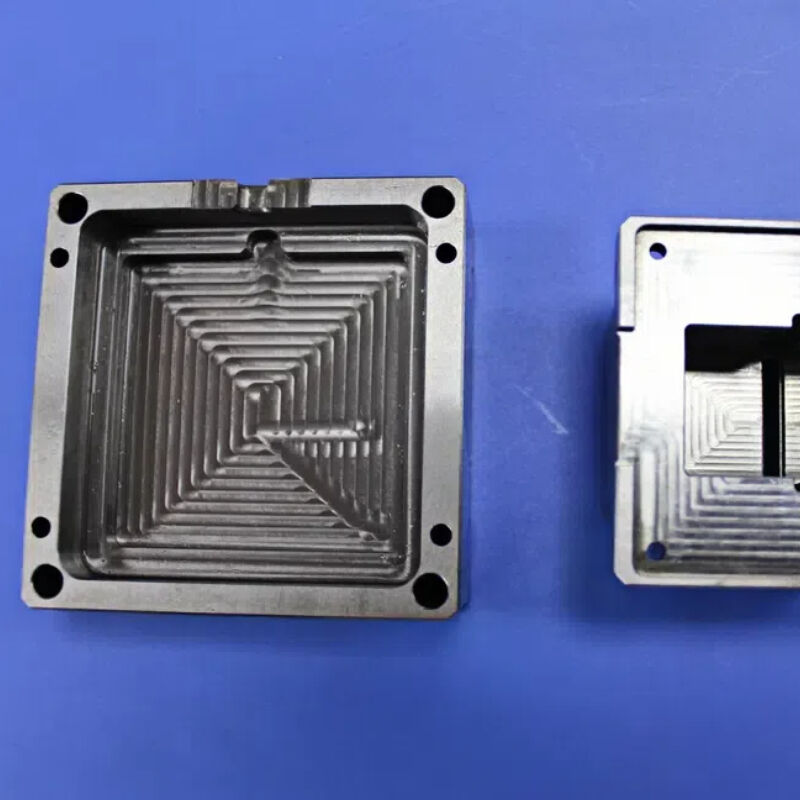
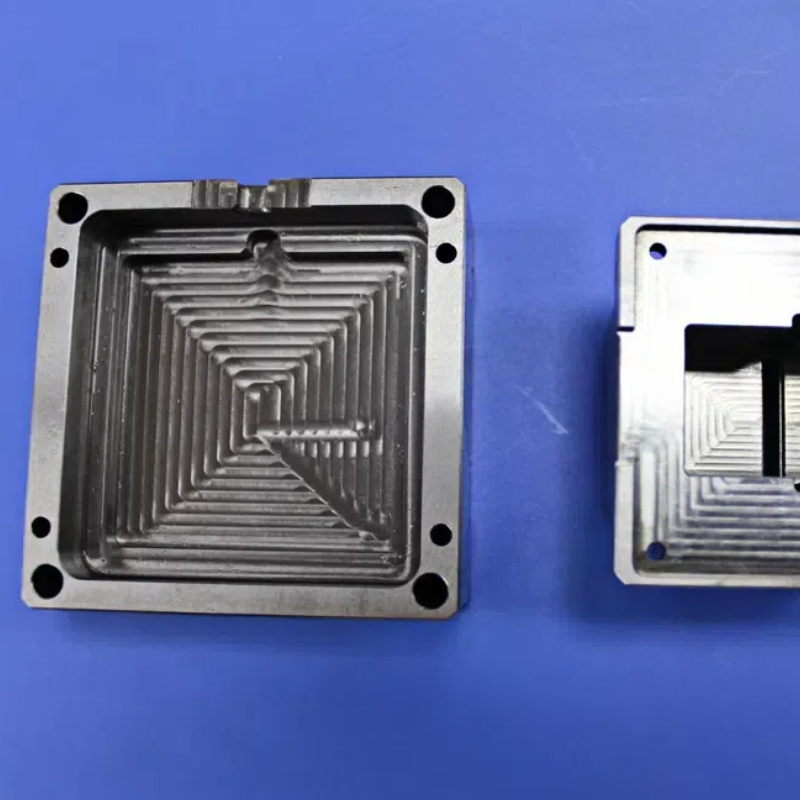
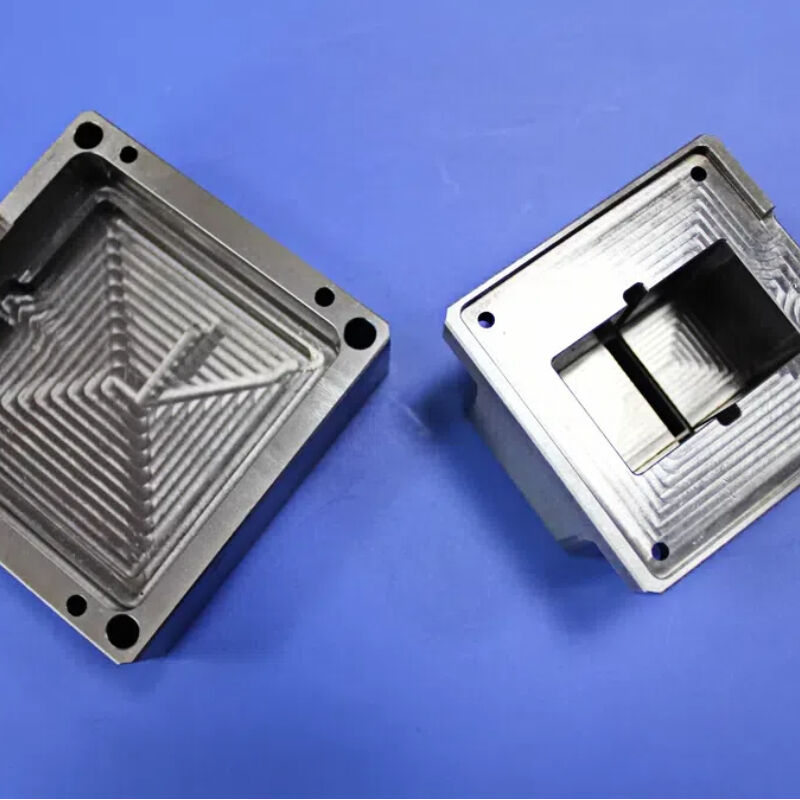
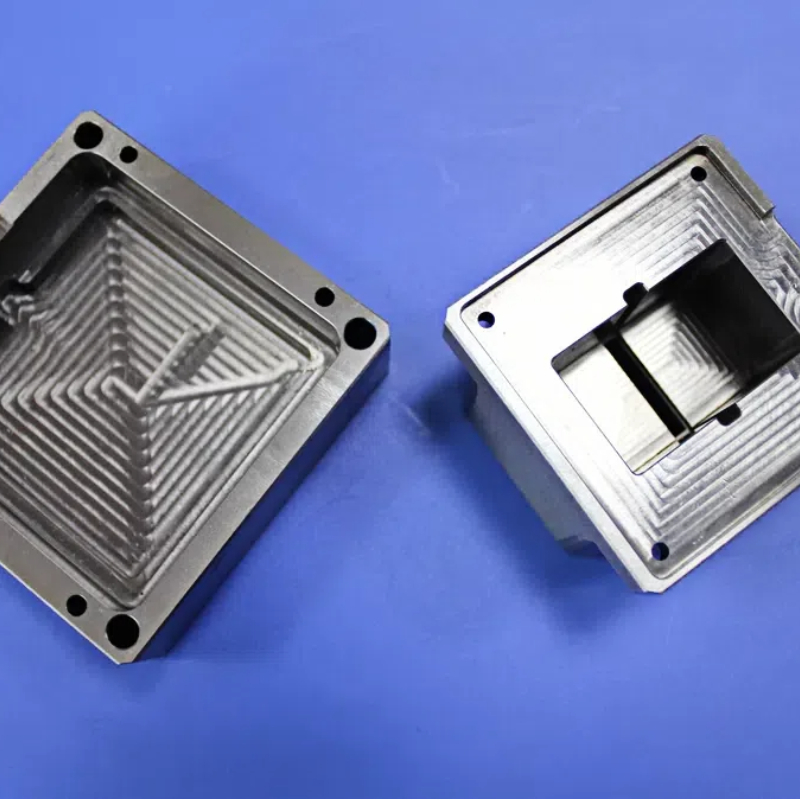
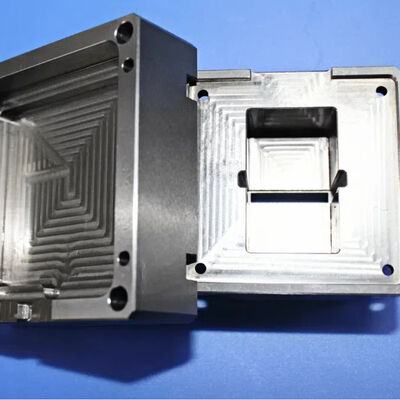
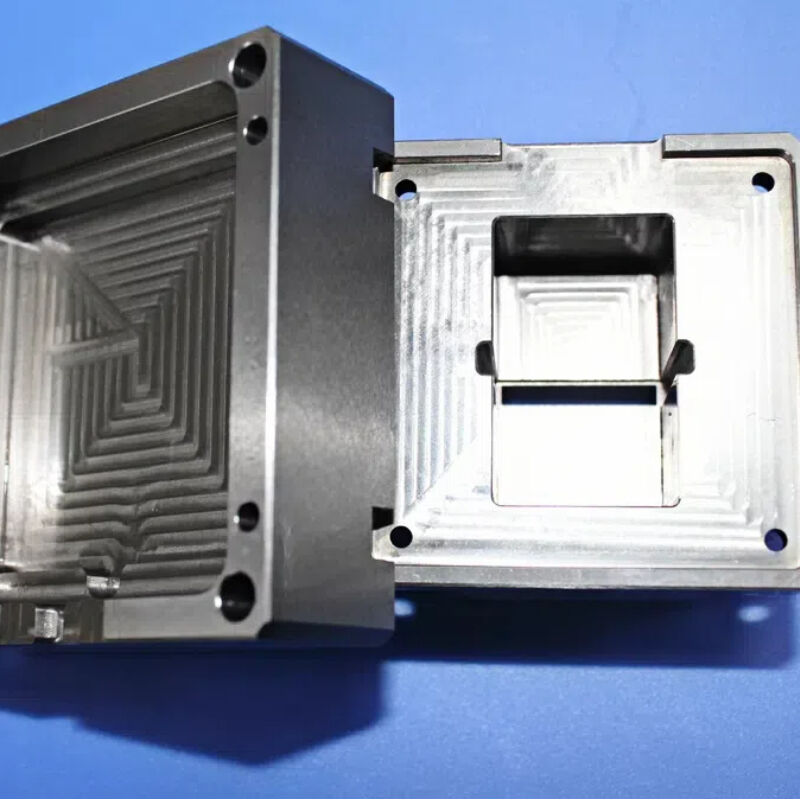
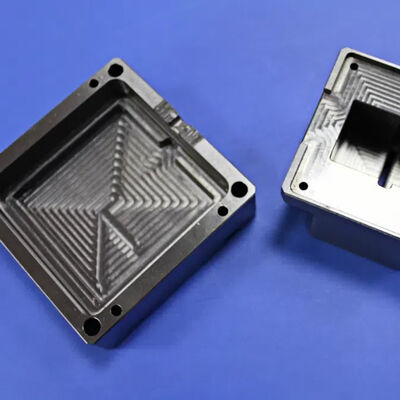
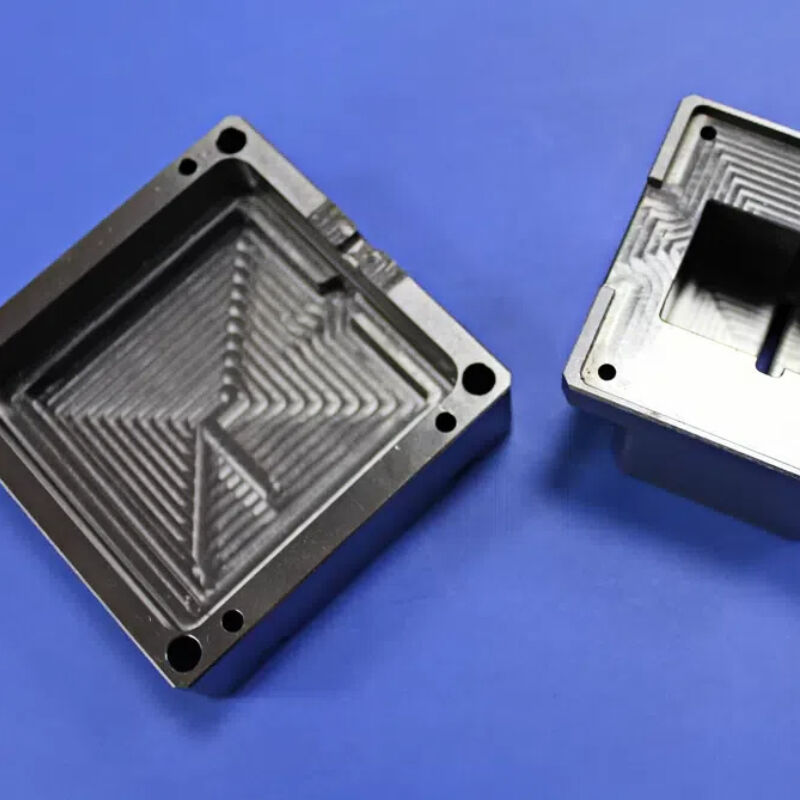
Yes. Unlike pure tungsten, which is brittle and difficult to machine, tungsten heavy alloys (with Ni/Fe or Ni/Cu binders) are readily machinable using standard CNC equipment, including turning, milling, drilling, and wire EDM.
Q3: Is tungsten alloy environmentally safe?
Yes, tungsten alloys are chemically inert, non-toxic, and fully RoHS-compliant. Unlike lead—which requires hazardous waste handling and special disposal—tungsten alloys can be recycled and pose no health risks during normal handling.




 Your message must be between 20-3,000 characters!