|
Product Details:
|
|
| Place of Origin: | China |
|---|---|
| Brand Name: | Sanxin |
| Certification: | ISO9001 |
| Model Number: | SX-2260 |
|
Payment & Shipping Terms:
|
|
| Minimum Order Quantity: | 1pc |
| Price: | Negotiation |
| Payment Terms: | L/C,T/T |
| Supply Ability: | 10000pcs/month |
|
Detail Information |
|||
| Business Type: | Manufacturer | Resistance: | Corrosion Resistant |
|---|---|---|---|
| Material: | Tungsten Carbide | Chemical Resistance: | Resistant To Most Acids And Alkalis |
| Assembling: | Work With Bearings | Wear Resistance: | Superior |
| Keyword: | Tungsten Carbide Blade | Industry: | Photoelectric |
Product Description
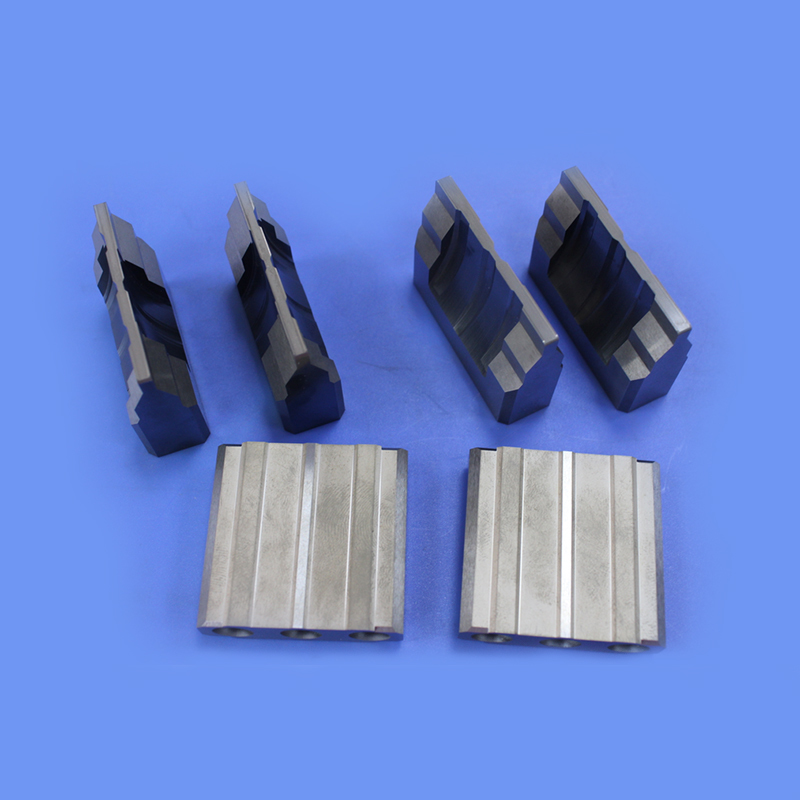
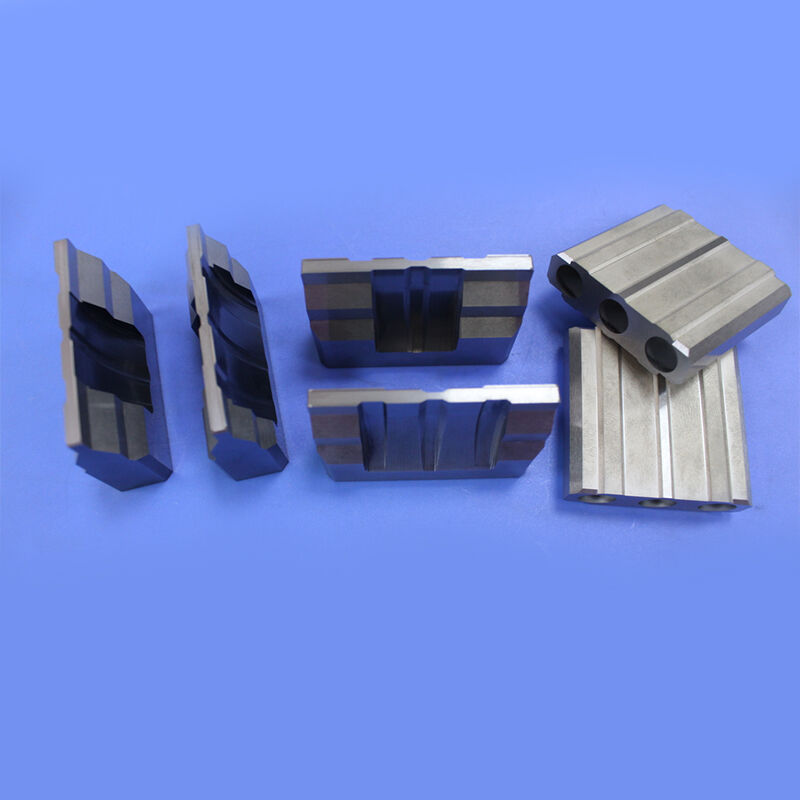
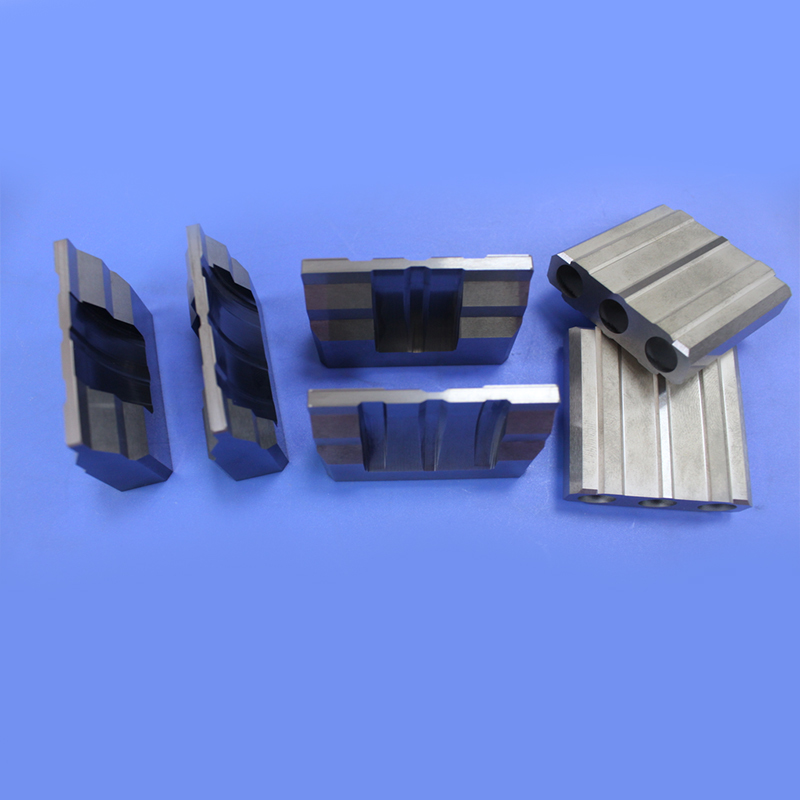
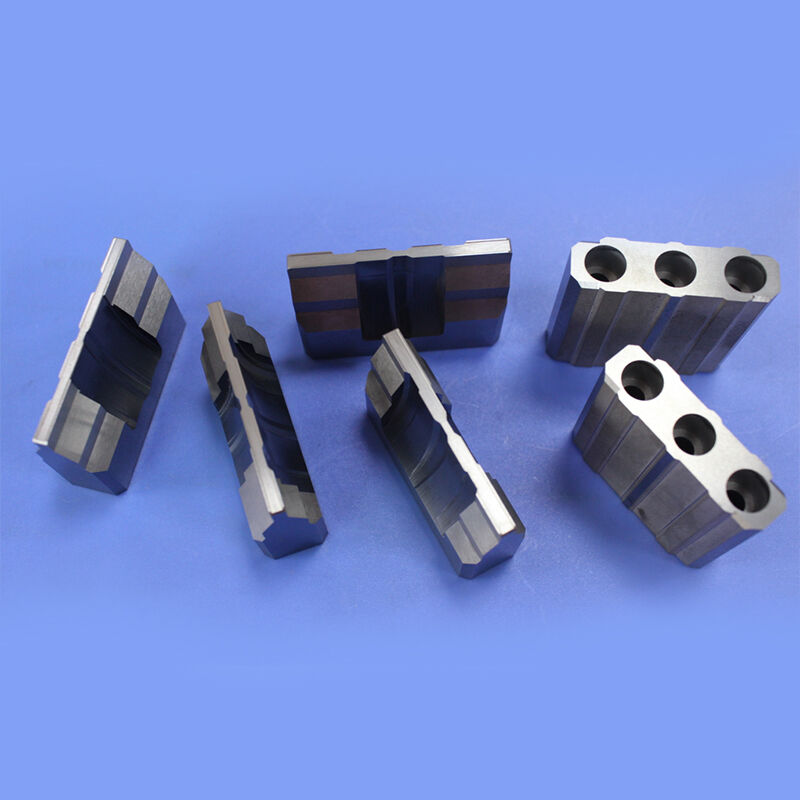
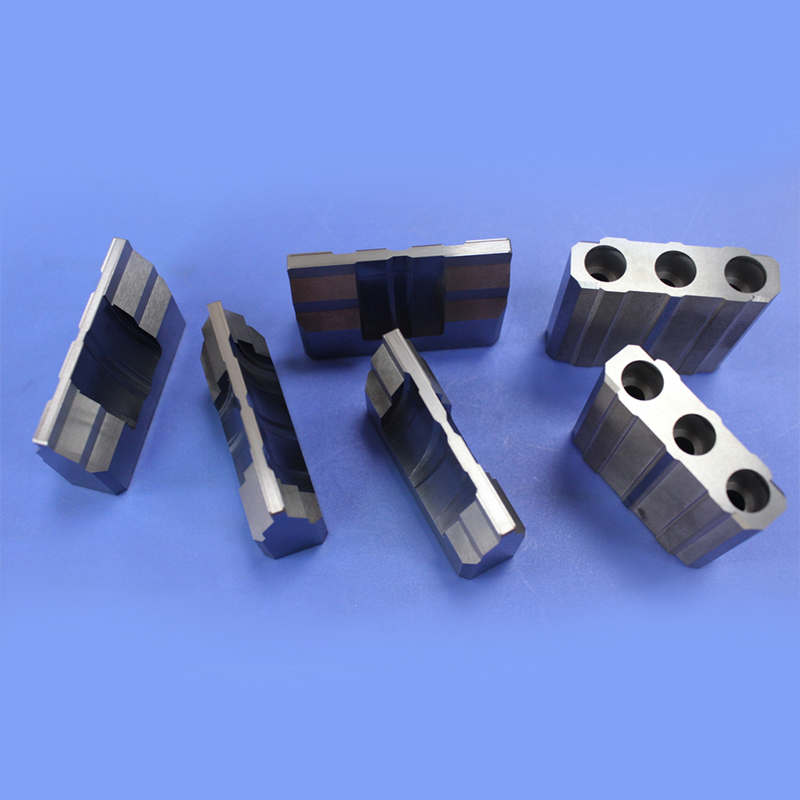
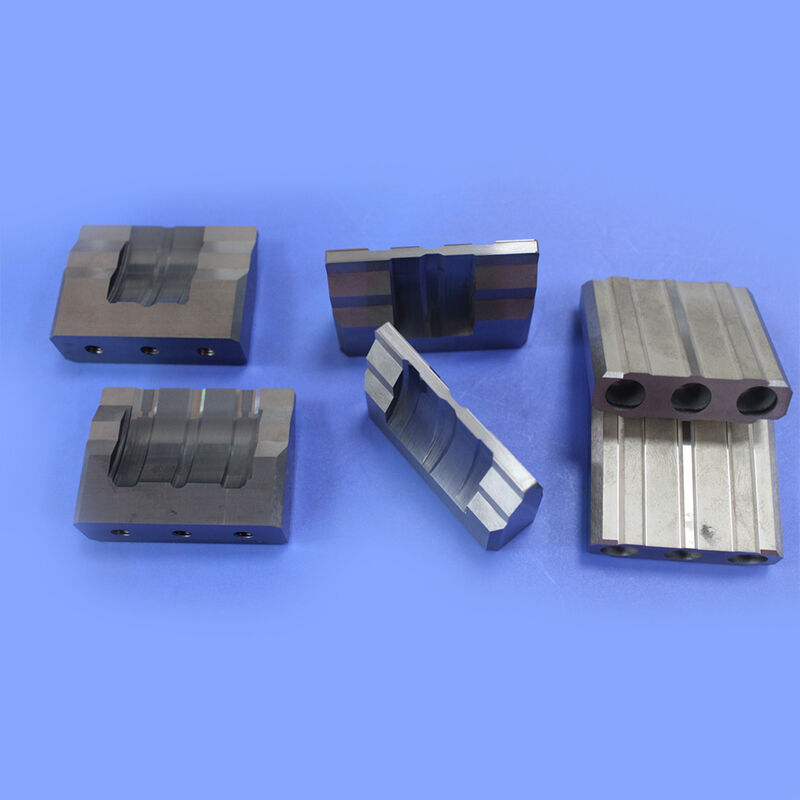
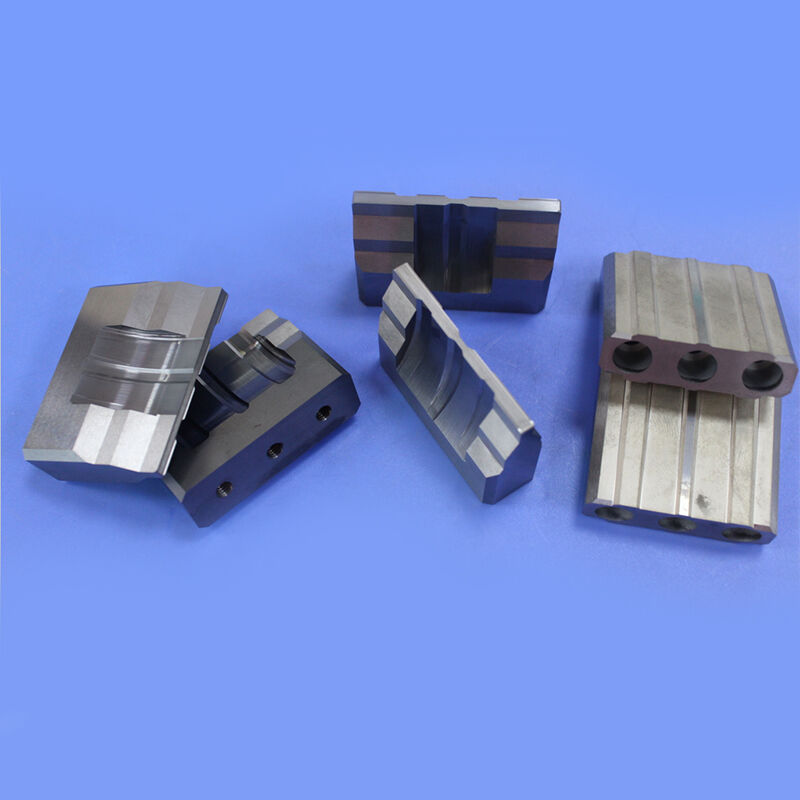
In the industrial manufacturing sector, the precision and lifespan of cutting tools directly determine production efficiency and product quality. Tungsten carbide stripping blades are precision tools manufactured through powder metallurgy sintering processes using tungsten carbide (WC) hard particles and cobalt (Co) binders. With extremely high hardness (up to HRA 90-92.5) and outstanding wear resistance, they have become indispensable critical components in modern manufacturing.
Compared to traditional high-speed steel (HSS) tools, the core advantages of tungsten carbide stripping blades lie in their exceptionally long service life and stable cutting performance. In high-speed, high-load continuous production scenarios, the lifespan of tungsten carbide tools typically reaches 3 to 10 times that of high-speed steel, significantly reducing downtime and labor costs caused by frequent tool changes. Their excellent wear resistance ensures that the cutting edge remains sharp over extended periods, guaranteeing burr-free and dust-free cut surfaces—critical for materials such as lithium battery separators and electronic tapes, which demand high cleanliness and precision.
Tungsten carbide stripping blades have an extremely broad range of applications, from wood planing to wire stripping, and to high-precision slitting of lithium battery materials.
| Application Field | Typical Products/Materials | Core Requirements & Characteristics |
|---|---|---|
| Battery & New Energy | Lithium battery separators, electrode sheets (copper foil/aluminum foil) | Demands extremely high precision (micron-level tolerances), burr-free cutting, strong wear resistance, and prevention of material contamination. |
| Tapes & Films | PET/PE films, tapes, release liners | Requires solutions to the "blade gumming" issue with sticky materials; demands mirror-finished cutting edges to reduce adhesion and achieve clean, sharp cuts. |
| Wire & Cable | Electrical wires, data cables, coaxial cables, optical fibers | Used in wire stripping machines, typically paired as sets of two blades, requiring consistent dimensional accuracy to precisely strip insulation without damaging internal conductors. |
| Woodworking & Furniture | Particleboard, MDF, solid wood | Commonly used as disposable insert blades; significantly improved durability, suitable for long-duration continuous production, with overall costs far lower than traditional steel knives. |
To meet the stringent requirements of different industries, tungsten carbide stripping blades are meticulously categorized by material grades, dimensional accuracy, and coating technologies. For example, in lithium battery electrode slitting, different tungsten carbide grades are selected depending on whether cutting copper foil (anode) or aluminum foil (cathode):
| Material Grade | Hardness (HRA) | Average Grain Size (μm) | Cobalt Content (%) | Typical Lifespan (Copper Foil, km) | Typical Lifespan (Aluminum Foil, km) | Recommended Applications |
|---|---|---|---|---|---|---|
| YG8 | 89.0 | 1.2-1.8 | 8.0 | 180-220 | 120-160 | Entry-level, suitable for small-batch or prototype production. |
| YG10X | 90.5 | 0.6-0.9 (ultra-fine) | 10.0 | 280-350 | 210-280 | Best cost-performance ratio, suitable for most continuous production scenarios. |
| YG12X | 91.5 | 0.4-0.6 (sub-micron) | 12.0 | 320-400 | 270-340 | Maximum wear resistance, optimized for highly abrasive materials such as aluminum foil. |
Furthermore, advanced surface coating technologies (such as TiAlN and DLC diamond-like carbon coatings) can further reduce the coefficient of friction and minimize blade adhesion, improving cutting quality by 30%-50% or more—meeting the extreme demands for safety and performance in cutting-edge industries like new-energy vehicle batteries.
Enter Your Message