logo
Zhuzhou Sanxin Cemented Carbide Manufacturing Co., Ltd

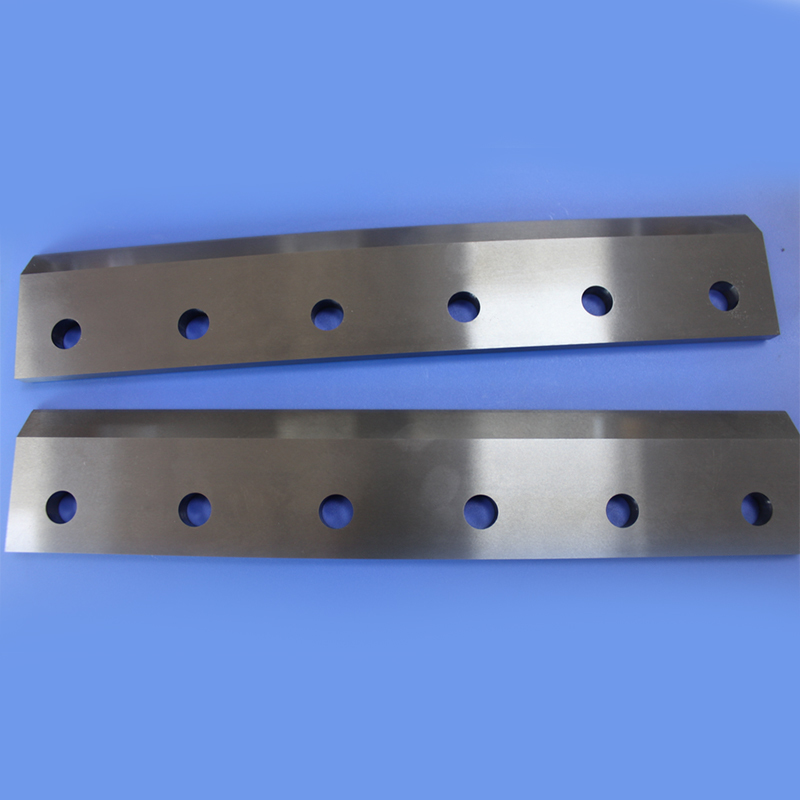
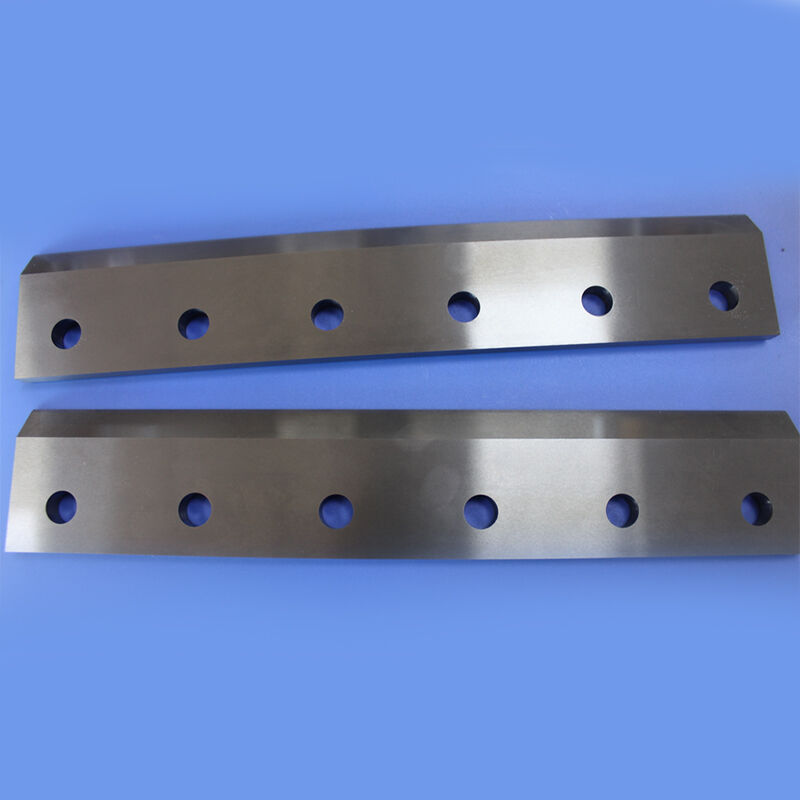
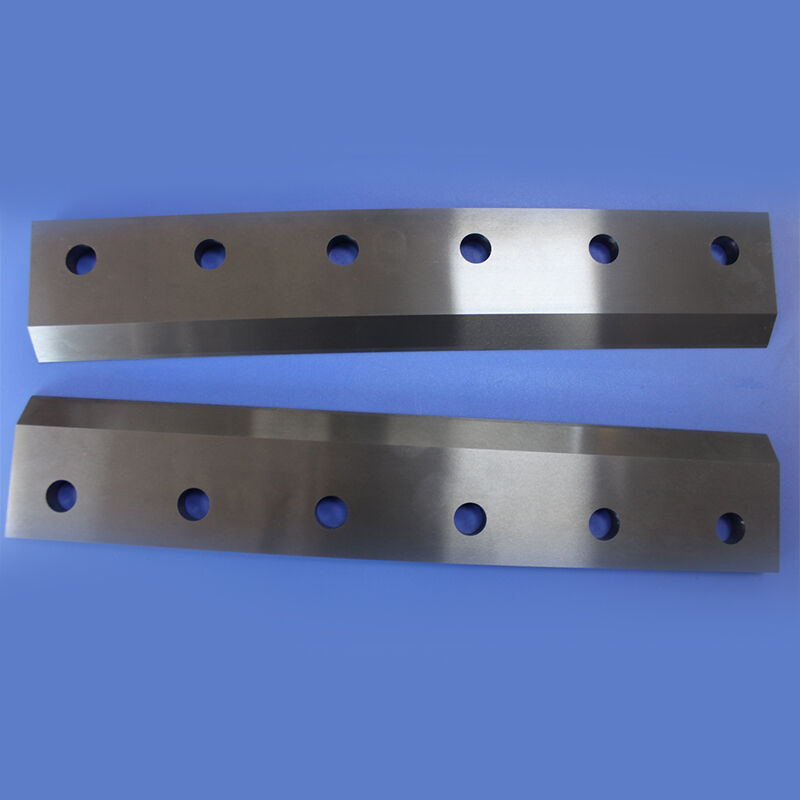
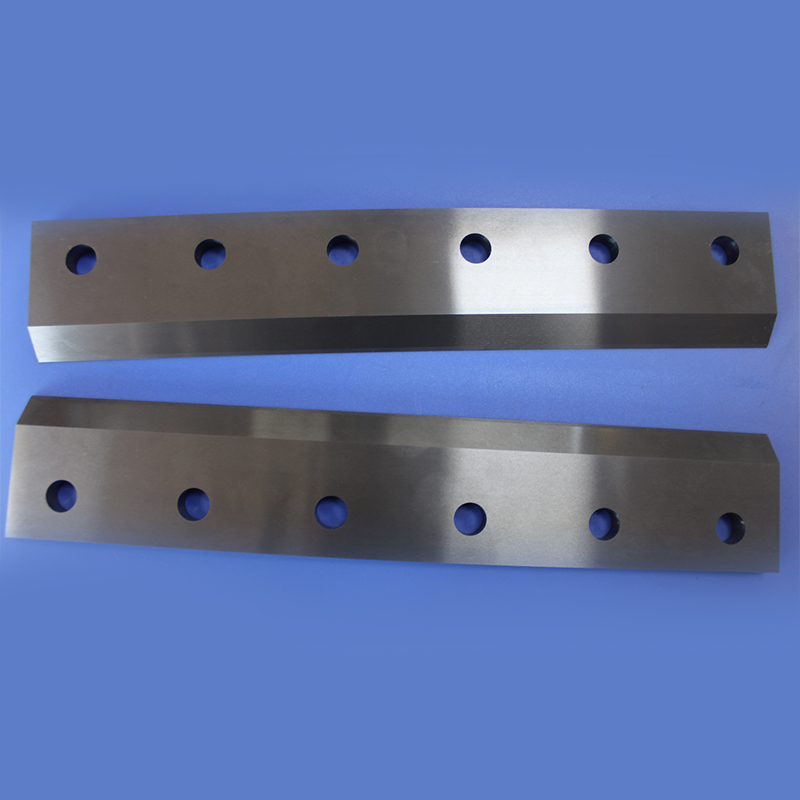
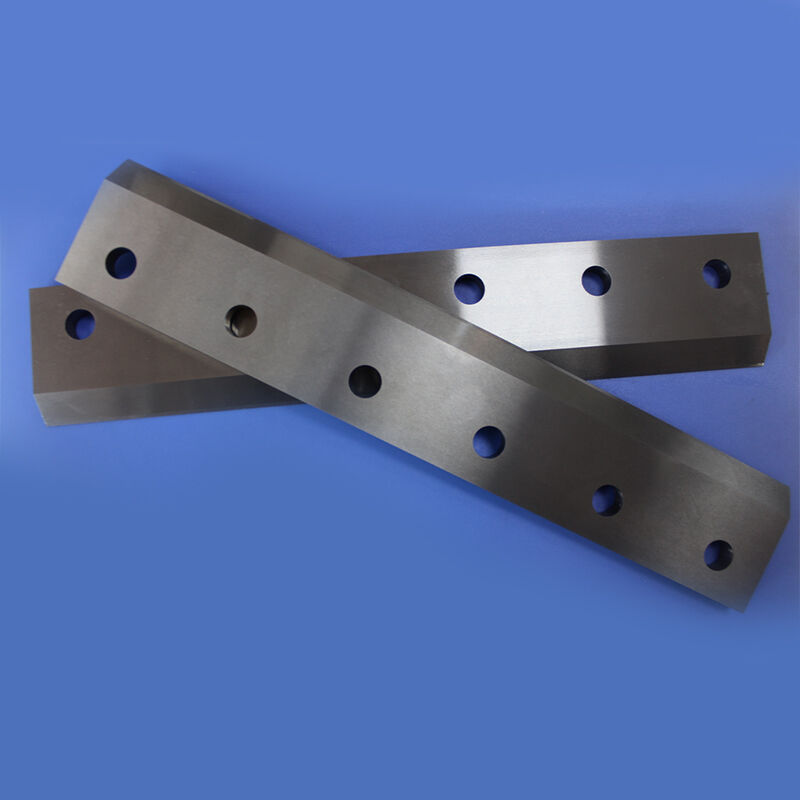
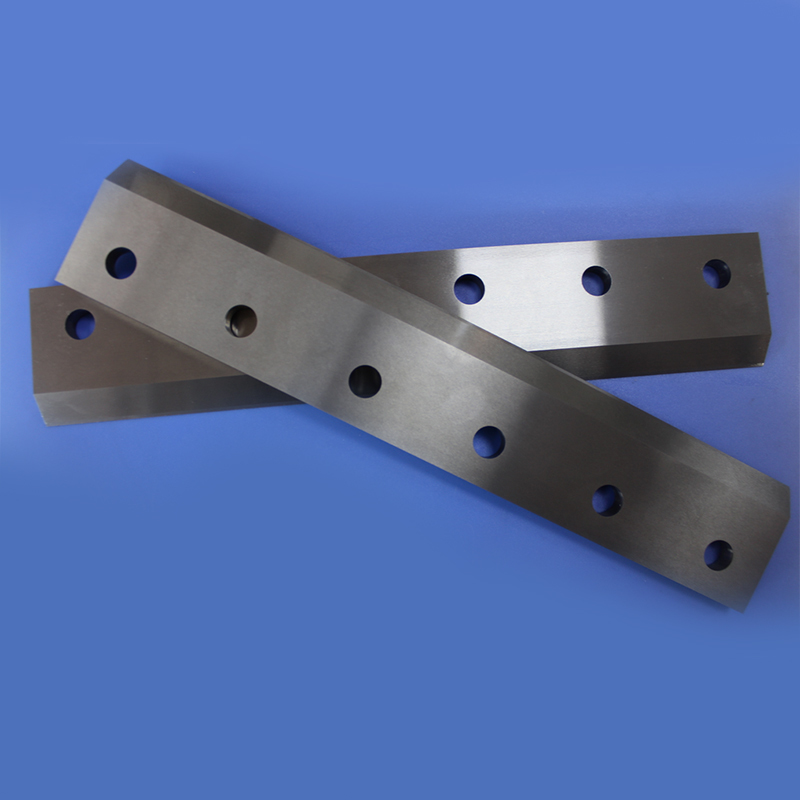
Tungsten Carbide Rotating Cutter Blade with Long Life Span Excellent Wear Resistance and Chemical Resistance for Cutting Tools and Mining

Product Details:
Place of Origin: China
Brand Name: Sanxin
Certification: ISO9001
Model Number: SX-2291
Payment & Shipping Terms:
Minimum Order Quantity: 10pcs
Price: Negotiation
Payment Terms: L/C,T/T
Supply Ability: 10000pcs/month
  • Detail Information
  • Product Description

Detail Information

Thermal Conductivity: 70 - 100 W/m·K

Product Description

Product Overview

Tungsten carbide rotating cutter blades are critical wear parts used in high-speed rotating shredding, crushing, and cutting equipment. They work in conjunction with stationary counter blades to achieve material shearing. Manufactured from tungsten carbide (WC-Co) cemented carbide, these blades combine extremely high hardness with good transverse rupture strength. They are suitable for processing recycled plastics, rubber, wood, electronic waste, light metals, and composite materials.

Compared to traditional tool steel or high-speed steel blades, tungsten carbide rotating blades offer a service life that is 3-8 times longer in abrasive applications, significantly reducing downtime for blade changes and improving continuous production efficiency.

Material Properties
  • High Hardness: HRA 88-92, capable of cutting highly abrasive materials such as fiberglass-reinforced plastics or sand-contaminated scrap.
  • Impact Resistance: Cobalt content of 8%-12%, suitable for medium-impact loads in shredders.
  • Wear Resistance: Volumetric wear rate ≤ 0.05 mm³/N·m, maintaining sharp cutting edges over extended periods.
  • Heat Resistance: Withstands instantaneous shear temperature rises of 300-400°C without softening or oxidation spalling.
Structural Design
  • Blade Body: Solid tungsten carbide sintered body, or steel body with tungsten carbide composite inlays (to reduce material cost).
  • Cutting Edge Profile: Single-sided angled teeth, double-sided symmetrical teeth, straight edge, multi-point serrated edge (selected based on material to be processed).
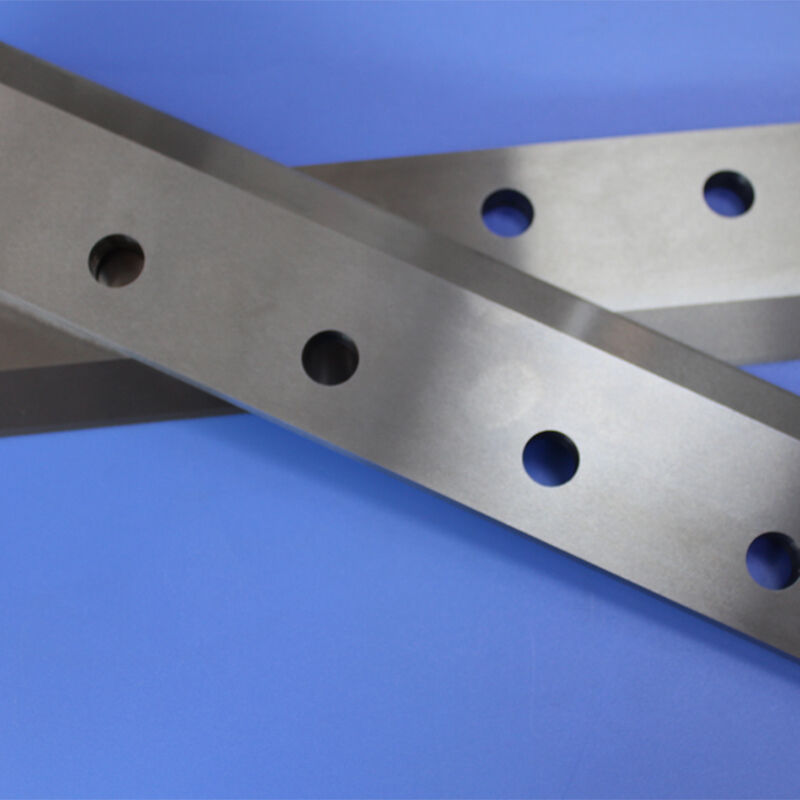
  • Mounting Holes: Precision-ground locating holes to ensure dynamic balance and proper clearance fit.
  • Surface Condition: Precision-ground cutting edge with Ra ≤ 0.4; non-working surfaces are shot-blasted or polished.
Suitable Equipment & Operating Conditions
Equipment Type Typical Materials Recommended Blade Thickness Recommended Cobalt Content
Single-Shaft Shredder Plastic drums, film, cable sheathing, rubber chunks 15-25 mm 10%-12%
Dual-Shaft Shredder Wood, tires, aluminum profiles, paper 25-40 mm 10%-11%
Heavy-Duty Granulator Injection molding sprues, glass fiber-reinforced nylon, acrylic 8-12 mm 8%-10%
Scrap Metal / Light Metal Crusher Scrapped car bodies, appliance shells, aluminum cans 30-50 mm 11%-13%
E-Waste Shredder PCBs, mixed electronic components 10-20 mm 10%-12%
Performance Comparison (Tungsten Carbide vs. Common Tool Steels)
Performance Metric Tungsten Carbide Blade D2/SKD11 Tool Steel High-Speed Steel (M2)
Hardness (HRC equivalent) ~85-92 HRA 58-62 HRC 62-65 HRC
Transverse Rupture Strength (MPa) 2400-2800 2000-2400 3000-3500
Wear Resistance (Volume Loss) 1x 4-6x 3-5x
Impact Toughness Medium Good Medium-low
Relative Service Life Multiple 3-8x 1x (baseline) 1.2-1.5x
Suitable Applications Highly abrasive, low-medium impact General crushing Light cutting, low contamination
Usage & Maintenance Recommendations
  • Pre-installation: Check the flatness of the rotor and blade seat to prevent fracture due to uneven loading.
  • Blade Gap: Adjust the gap between the rotating and stationary blades to 0.3-1.0 mm (adjust based on material thickness).
  • Sharpening: When blade tip wear reaches 30%-40% of the original cutting edge width, reverse or resharpen promptly.
  • Resharpening Method: Use diamond grinding wheels with adequate cooling to avoid burning; remove no more than 0.5 mm per sharpening pass.
  • Long-term Shutdown: Remove any adhesive residue or corrosive material from the blade surface before storage.
Customization Process
  1. Provide equipment model or blade drawings (dimensions, hole positions, edge angles).
  2. Specify material type, moisture content, contamination level, and expected service life.
  3. Our team recommends the optimal tungsten carbide grade and structural type (solid/inlay/segmented).
  4. Trial samples are produced for in-machine testing.
  5. Batch production with installation guidance.

Get in touch with us

Enter Your Message

You Might Be Into These